Jumat, 10 Desember 2021

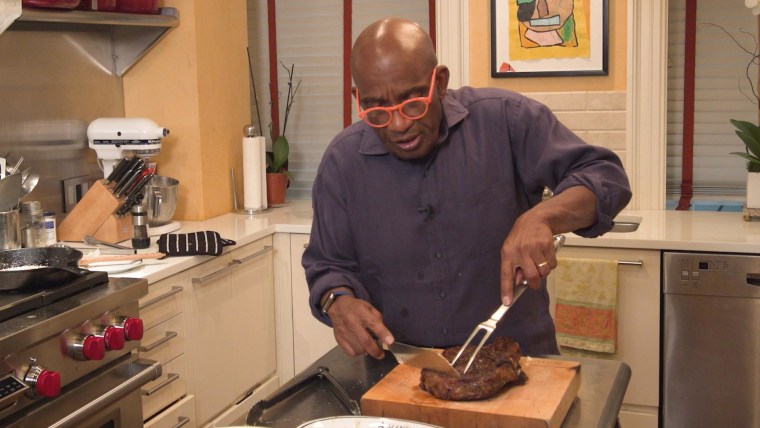
Pork For Low Carb Diet

Pork For Low Carb Diet

A low-carb or carb-free diet can help steer you away from sugary and starchy foods like bread, pasta, and cereal. Low-carb diets are high in protein and fats and can offer an alternative to counting calories or grams. The diet isn't for everyone, however; people with medical conditions such as diabetes or high blood pressure, as well as pregnant and nursing women, should consult with their general practitioner before making significant dietary changes. Even when a lot of treats are off the table, there are still some great options for people given the go-ahead to adopt a low-carb diet.

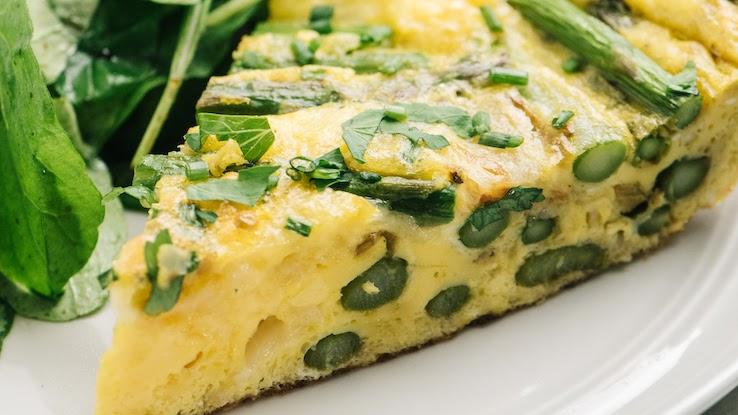
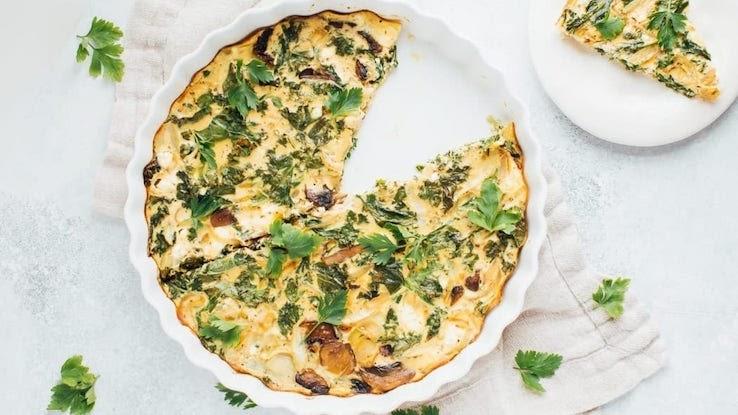
Eggs

Eggs are an excellent low-carb food. They contain almost zero carbohydrates, but provide plenty of nutrients including vitamins A, D, E, and B, calcium, iron, phosphorus, zinc, and selenium. Egg yolks contain choline, which is essential for brain development, nerve function, muscle movement, and energy. Eggs are one of the most affordable sources of quality protein.

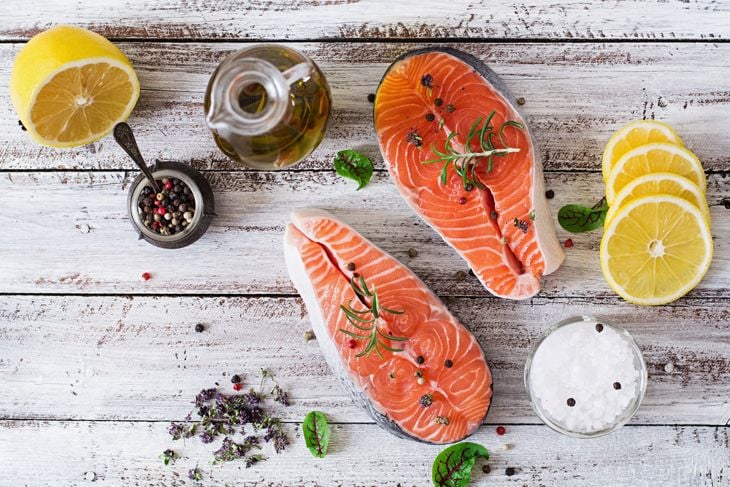
Fish

Seafood, including salmon, tuna, mackerel, haddock, trout, sardines, and anchovies, are free of carbohydrates. Fish is rich in fats and protein. Fatty fish, including salmon, char, mackerel, and sardines, are some of the best for your health because they contain omega-3 fatty acids that fight inflammation and lower the risk of developing conditions such as autoimmune diseases, metabolic syndrome, heart disease, Alzheimer's disease, and cancer. These nutrients are particularly vital during pregnancy; the fetal brain requires them for healthy development.
Red meat

Red meat, including beef, lamb, pork, and veal, is also carb-free, excepting organ meats like liver. Beef is full of iron and vitamin B12, which helps make DNA and keeps nerves and red blood cells healthy. Depending on the cut, meat may be more or less fatty. This makes it possible to choose your dinner options based on the ratio of fat to protein you need that day.

Poultry

Chicken, turkey, and duck are quality protein sources that contain zero carbohydrates. If you're looking for lean protein, chicken breast contains 80% protein and 20% fat. Some people on low-carb diets prefer to stick to fattier cuts such as the thigh, leg, and wing, however. Chicken provides plenty of essential vitamins and minerals and is low in cholesterol and sodium when the right portion size is properly prepared.

Cheese

Hard cheeses like Muenster, Gouda, cheddar, Colby-Jack, and Swiss are generally no more than one or two percent carbohydrate. Cheese is high in fat and a great source of protein as well. It also boasts ample quantities of vitamin B12 and calcium. Cheese comes in many flavors and textures, making it a versatile food.

Greek Yogurt

While not completely carb-free, Greek yogurt is a low-carb option, usually made up of about 12 grams per cup, and has around 40% of your recommended daily intake (RDI) of protein. It is also a great source of calcium and phosphorus. One of the most beneficial things about yogurt is its probiotic content. Probiotics are good bacteria essential to gut health. They boost immune system function, aid in nutrient absorption, and fight off bad bacteria.

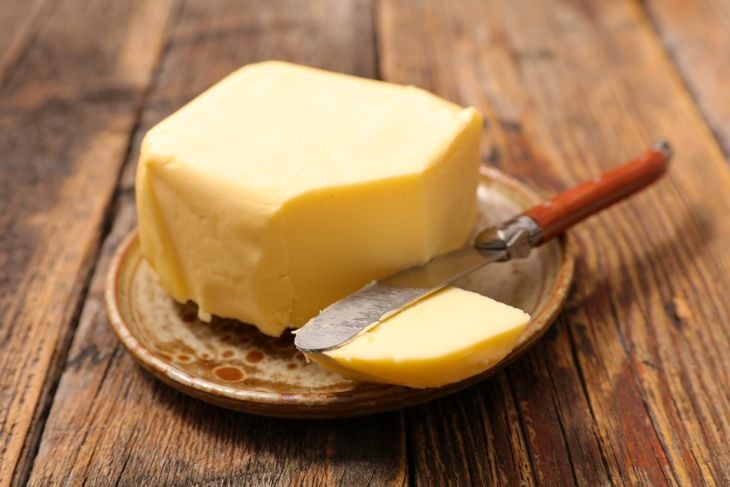
Butter

Butter is approximately 80% fat and 20% water. It does not contain any carbohydrates or proteins. It is, however, a great source of vitamins A, D, and E. Butter is also rich in healthy saturated fats that raise good HDL cholesterol, but it can raise bad LDL cholesterol and as such should be consumed in moderation. The America Heart Association recommends eating only 13 grams of saturated fat every day. Butter contains many fatty acids that support brain development, as well, making it a good condiment for growing children.
Nuts and seeds

Nuts and seeds are popular low-carb diet options. These "brain foods" are an excellent source of omega-3 fatty acids and contain plenty of antioxidants for optimal brain function. Almonds are 15% carbs, 72% fats, and 13% protein; while they may not be as low-carb as walnuts, one serving has only 9 grams of carbs, about half of which is fiber. Seeds, including hemp, chia, flax, and pumpkin, are all relatively low in carbs and high in healthy fats and protein, as well. Best of all, they're an easy grab-and-go pick for snacks.

Oil

All oils are carb-free, but the healthiest are unrefined or cold-pressed, including extra-virgin olive, coconut, and avocado oils. Olive oil is loaded with antioxidants, anti-inflammatories, and anti-cancer compounds and is proven to be particularly supportive of heart health, helping fend off strokes and heart attacks.

Low-Carb vegetables

Some vegetables are high in carbs, and some are not. Low carb veggies include asparagus, mushrooms, broccoli, cauliflower, bell peppers, cucumbers, zucchini, spinach, green beans, lettuce, kale, and collard greens. Vegetables to avoid on a low-carb diet include the sweet or starchy ones such as potatoes, sweet potatoes, yams, peas, corn, parsnips, and legumes.

Avocados

Avocados are a unique fruit because instead of being high in carbs, like most of their kind, they are full of healthy fats. They have a wide and varied nutritious profile and even contain more potassium than a banana. They're an excellent source of vitamins C, E, and K, as well as B-vitamins, folate, and many essential minerals.

Low-Carb Beverages

Watch out. There are a lot of carbs hiding in sugary drinks like soda and juice. If you're on a low-carb diet, try to steer clear of beverages with added sugar. People on this diet can opt for water, coffee, tea, and sparkling water.

Pork For Low Carb Diet

Source: https://facty.com/food/nutrition/12-low-carb-foods-for-dieting/
Share:

Senin, 06 Desember 2021

Low Carb Diet And Ketoacidosis

Low Carb Diet And Ketoacidosis

Lots of today's trendy diets — think Atkins, keto and sometimes paleo — are centered around low-carb foods. But cutting carbs to lose weight fast isn't a new idea. It's been around for more than 150 years. So what's driving the popularity of this eating plan?

With a low-carbohydrate diet, you keep your carbohydrates lower than what's typically found in Western diets, Jen Bruning, a registered dietitian and spokesperson for the Academy of Nutrition & Dietetics, told TODAY.

Processed foods and fast foods — common in Western diets — are often high in carbs. They can contain a lot of refined carbs that don't offer a lot of nutritional value. Low-carb diets limit these high-carb foods, as well as grains, starchy vegetables (like potatoes and peas) and fruit. They emphasize foods low in carbs and high in protein and fat instead, like meat, cheese and nuts, as well as leafy vegetables.

How does the low-carb diet work?

To start, there's no one low-carb diet. Different plans cut carbs down to different levels. The strictest diets aim to cut carbs down to zero. Others target 150 grams or less per day. As a comparison, the Dietary Guidelines for Americans recommend 225 to 325 grams per day as part of a healthy eating plan that doesn't focus on limiting carbs.

Bonnie Taub-Dix, a registered dietitian and author of "Read It Before You Eat It: Taking You from Label to Table," points out that carbs aren't all nutritionally the same. A slice of whole-grain bread, a small piece of fruit and four packets of sugar could all have about 15 carbs. "Those food all have completely different health profiles," she said. The bread has fiber, vitamins and minerals, and can help you feel full. The fruit might have fiber and antioxidants. The sugar has no nutritional value except for energy.

People want to know the best ways to lose weight and how to lose weight fast. But there's more to understand. "If you want to eat more healthfully and lose weight, you have to think about what your body needs and your health needs, not just your weight-loss needs," Taub-Dix said.

What does the research say about the low-carb diet?

What are low-carb diet benefits? Bruning said with low-carb dieting you might see improvements in blood sugar levels and weight loss. But the weight loss might not last. "Research also suggests a tendency to regain any lost weight when eating patterns return to normal," she said.

Sticking with a low-carb eating plan may help you maintain weight loss, though.

According to the Mayo Clinic, low-carb diets might help prevent or improve metabolic syndrome, diabetes, high blood pressure and heart disease.

A study published in the Journal of the American College of Nutrition found that for people with type 2 diabetes, diets that were low in carbs helped them lose weight and reduce the medication they needed to take to control of their diabetes.

Is low-carb a good choice for you?

You might want to try a low-carb diet if you're looking to lose weight in the short term or to prevent or improve metabolic syndrome, diabetes, high blood pressure or heart disease.

A low-carb diet includes a lot of other food options, so if you don't like diets with severe food restrictions you might like the variety it offers.

You may also want to look at the kinds of carbs you're eating to see where you can make changes. "If you examine your diet and feel you are lacking in non-starchy vegetables but eat lots of added sugar, you may choose to lower your refined carbohydrate intake in favor of more veggies," Bruning said.

And remember that low-carb diets are low in certain nutritious foods. "Plenty of higher-carbohydrate foods are very healthful. Think legumes, fruit and whole grains," Bruning said. "Low-carb diets also tend to be low in fiber, and fiber is known to be protective against heart disease and some cancers."

Taub-Dix is wary of any diet that eliminates an entire food group. "No one food or food group is going to be magical for you or horrible for you unless you have a food allergy or intolerance," she said. "We shouldn't demonize any one particular food or food group. That should be a red flag when choosing a diet — if a food group is eliminated, steer clear of that diet."

What do you eat on the low-carb diet?

Generally, low-carb menus will include foods that are higher in protein and fat.

On a low-carb diet, you're likely to eat foods like:

  • Meat
  • Poultry
  • Fish
  • Eggs
  • Some nonstarchy vegetables

You'll cut out or limit:

  • Grains
  • Legumes like lentils, beans and peas
  • Fruits
  • Breads
  • Sweets
  • Pasta
  • Rice
  • Starchy vegetables like potatoes, corn and butternut squash
  • Milk
  • Sometimes nuts and seeds

Following a low-carb diet, in a typical day you might eat low-carb meals like:

  • Breakfast: Omelet with cheese, mushrooms, tomatoes and spinach
  • Lunch: Cobb salad
  • Dinner: Chicken drumsticks with coleslaw
  • Snack: Roasted pecans

The low-carb diet is similar to:

  • Keto diet, which typically limits carbs to 50 grams a day or less
  • Keto/FLEX 12/3, which blends a low-carb diet and fasting
  • Low-carb, high-fat diet, which pairs a reduction in carbs with an increase in high-fat foods
  • Paleo diet, which tends to be low-carb in practice because it emphasizes a lot of low-carb foods
  • Atkins diet, which has a four phases of carb intake levels
  • Zero-carb diet, which aims to reduce carbs to (you guessed it) zero

Is the low-carb diet effective long-term?

Compared with low-fat dieters, low-carb dieters may see a short-term weight-loss boost. But the gain tends to disappear after a year or two, according to the Mayo Clinic. It's possible that eating more protein and fat instead of carbs can help keep you feeling full, so you eat less.

Most studies of low-carb diets have lasted less than a year. So it's not clear yet if a low-carb diet has long-term health risks.

Talk with your doctor before starting a low-carb diet or any other diet — your doctor can recommend the best healthy diet for you, based on your needs.

Stephanie Thurrott is a writer who covers mental health, personal growth, wellness, family, food and personal finance, and dabbles in just about any other topic that grabs her attention. When she's not writing, look for her out walking her dog or riding her bike in Pennsylvania's Lehigh Valley.

Low Carb Diet And Ketoacidosis

Source: https://www.today.com/health/low-carb-diet-what-you-should-know-trying-one-today-t197225

Share:

How Good Is A Low Carb Diet

How Good Is A Low Carb Diet

Savefor later Page saved! You can go back to this later in your Diabetes and Me Close

Low-carb diet and meal plan

Eating a low-carb diet means cutting down on the amount of carbohydrates (carbs) you eat to less than 130g a day. But low-carb eating shouldn't be no-carb eating.

Some carbohydrate foods contain essential vitamins, minerals and fibre, which form an important part of a healthy diet.

Here we'll explain what we mean by low-carb, what the benefits are of low-carb eating when you have diabetes, and share a low-carb meal plan to help you get started if this is the diet for you. We'll also explain how to get support to manage any potential risks, especially if you manage your diabetes with medications which put you at risk of hypos.

If you or someone you know is self-isolating, find out how to eat healthily whilst staying at home.

What's a low-carb diet?

But how low is low-carb? There are different types of low-carb diets. Generally, low-carb eating is when you reduce the total amount of carbs you consume in a day to less than 130g.

To put this into context, a medium-sized slice of bread is about 15 to 20g of carbs, which is about the same as a regular apple. On the other hand, a large jacket potato could have as much as 90g of carbs, as does one litre of orange juice.

A low-carb diet isn't for everyone. The evidence shows they can be safe and effective in helping people with type 2 diabetes manage their weight, blood glucose (sugar) levels and risk of heart disease in the short term.

But the evidence also shows they can affect growth in children, and so should not be recommended for them. And there is little evidence to show the benefits of this type of diet in people with type 1.

If you do decide to follow a low-carb diet, it's important to know all the potential benefits and how to manage any potential risks.

Low-carb meal plan

Our low-carb meal plan aims to help you maintain a healthy balance while reducing the amount of carbs you eat. Varying amounts of carbohydrate are shown each day to help you choose which works best for you.

It's nutritionally balanced, we've counted the calories for you, and it contains at least five portions of fruit and veg per day.

We've included the values of fibre and protein too to help you make sure you are meeting your nutritional requirements. We know lots of people in the UK aren't eating enough fibre, so it's important to try and include good sources in your diet every day.

Please note that the nutritional information and exact specifications for all meals and snacks is available in the linked recipes and the low carb meal plan (PDF 84KB).

low-carb diet

Before you begin this meal plan

Before starting any healthy eating programme, please read how to choose your meal plan to make sure you follow the plan that's right for you.

Please speak to your diabetes health care team before making significant changes to your diet.

This is especially important if you treat your condition with insulin and diabetes medications that increase the risk of hypos (low blood sugar levels). Reducing your carbohydrate intake and changes to your body weight may mean your insulin and diabetes medication needs to be adjusted.

Important points about this meal plan

  1. This meal plan has taken nutritional information from our recipes and the sixth edition of Carbs and Cals, unless otherwise stated.
  2. A mix of whole milk and semi-skimmed milk has been used, but please use whichever you prefer. Any dairy alternative should be unsweetened and fortified with calcium.
  3. These meal plans meet your recommended amount of fibre across the week.
  4. This meal plan outlines daily food intake for one person, but it's still important to remember to drink regular fluids. This includes plain water, plain milk, and tea or coffee without added sugar.

Disclaimer: every effort has been taken to make these meal plans as accurate as possible, but there will be some variation in nutritional values. Speak to a dietitian or your diabetes healthcare team if you have questions about your individual dietary needs.

Monday

Breakfast: Baked eggs with two slices of rye bread

Lunch: Chilli bean soup with avocado salsa

Dinner: Mackerel tomatoes served with leeks and broccoli

Pudding: Apple strudel

Snacks: Greek yogurt, two satsumas, plain almonds, one apple

Milk: 225ml semi-skimmed milk

Tuesday

Breakfast: Porridge made with 30g porridge oats, 200ml almond milk, 40g blueberries and 10g pumpkin seeds

Lunch: Bang bang chicken salad

Dinner: Minced beef and vegetable filo pie

Pudding: 80g strawberries

Snacks: Avocado, brazil nuts, celery and peanut butter

Milk: 225ml semi-skimmed milk

Wednesday

Breakfast: Mushroom and spring onion omelette

Lunch: Butterbean paté with carrots, tomatoes and mini wholemeal pitta bread

Dinner: Aubergine and courgette parmesan bake with rocket, tomato and tinned kidney beans

Pudding: 80g melon

Snacks: One apple and peanut butter, one pear with almonds, natural yogurt and pumpkin seeds

Milk: 225ml semi-skimmed milk

Thursday

Breakfast: Summerberry smoothie

Lunch: Chickpea and tuna salad

Dinner: Chicken tikka masala and cauliflower pilaf

Pudding: Summer berry posset

Snacks: Greek yogurt, two satsumas, one orange, almonds, two oatcakes topped with smooth peanut butter

Milk: 225ml semi-skimmed milk

Friday

Breakfast: Baked eggs with two slices of rye bread

Lunch: Two slices of medium wholemeal bread with grated cheddar, vegetable oil-based spread, tomato and cucumber

Dinner: Grilled salmon steak with baked sweet potato, broccoli and cabbage

Pudding: Sugar-free jelly

Snacks: raspberries, melon, avocado, plain almonds

Milk: 225ml semi-skimmed milk

Saturday

Breakfast: Welsh leek rarebit

Lunch: Cauliflower and leek soup with 25g cheddar

Dinner: Butternut squash and borlotti bean stew

Pudding: Tinned peaches in juice

Snacks: One apple, 30g almonds, Greek yogurt, small pear and almonds, 60g pistachios with shells

Milk: 225ml semi-skimmed milk

Sunday

Breakfast: Omelette made with two eggs and milk along with 80g spinach, 80g mushrooms, 1tsp of vegetable oil, 25g grated cheddar. Pair with a slice of rye bread with 1tsp of unsaturated margarine

Lunch: Smoked mackerel on granary toast with 1sp of veg spread, rocket, tomato and cucumber.

Dinner: Greek homestyle chicken with broccoli and leeks

Pudding: 80g raspberries and 80g melon

Snacks: Low-fat Greek yogurt with almonds and pumpkin seeds, spicy roasted chickpeas, one small pear

Milk: 225ml semi-skimmed milk

Benefits of following a low-carb diet

One of the main benefits of following a low-carb diet is weight loss. For people with type 2 diabetes, this helps to reduce HbA1c and blood fats such as triglycerides and cholesterol. For people who don't have diabetes, losing weight can reduce your risk of developing type 2 diabetes, and a low-carb diet is one option to help you do this.

For people with type 1 diabetes

If you have type 1, the strongest evidence suggests that carb counting is the best way to manage your blood sugar levels. This means matching how much insulin you take to the amount of carbs in your meal, snack or drink.

There is no strong evidence that following a low-carb diet is safe or beneficial, which is why we don't recommend this diet for people with type 1 diabetes.

It is really important that you speak to your healthcare team for support to manage your insulin if you're considering a low-carb diet.

For people with type 2 diabetes

We know losing 15kg within three to five months will give people with type 2 the best chance of putting their diabetes into remission. Evidence tells us this is more likely if you are able to lose weight within 6 years of your diagnosis.

Finding a way to lose weight can also help you improve the way you manage your condition and reduce your risk of diabetes complications. There are different ways to lose weight, such as a low-carb diet - but there's no one-size-fits-all approach.

Find out more about weight loss and diabetes.

"I changed to a high-fat, low-carb diet and cut out sweet stuff altogether. Diabetes UK's website and an app for my phone really helped.

I lost around 12lbs (5.5kg) in my first week. When I returned to see the nurse after three months, my HbA1c was down to 42mmol/mol – it had been 51mmol/mol when I was diagnosed. The nurse thought she was seeing things.

I've now lost around seven-and-a-half stone (46.8kg) and my HbA1c level is 37mmol/mol."

- Paul's type 2 diabetes is now in remission.

However, there's no evidence that following a low-carb diet is any more beneficial in managing diabetes than other approaches in the long term, including a healthy, balanced diet.

Research suggests that the best type of diet is one that you can maintain in the long term, so it's important to talk to your healthcare professional about what you think will work for you. Another option is the Mediterranean diet, which is also linked to reducing the risk of heart diseases and stroke.

What to consider before following a low-carb diet

If you treat your diabetes with insulin or any other diabetes medication that puts you at risk of hypos, following a low-carb diet may increase this risk. Speak to your healthcare team about this so they can help you adjust your medications to reduce your risk of hypos. Your team may also support you to check your blood sugar levels more often.

"I make sure I balance out my diet with what suits my insulin, but with a bit of tweaking, most things can be persuaded to suit my insulin!

I won't eat a load of pasta with a side of garlic bread and not much else, because the carb load would be difficult to bolus for. But neither would I eat a completely carb free meal. It's all a question of balance, and a healthy diet is good for all of us, diabetic or not."

- Online forum user living with type 1.

Depending on the approach, following a low-carb diet may also lead to other side effects, such as constipation or bad breath.

Although these can be unpleasant, they are usually temporary and shouldn't be harmful in the long term. Speak to your healthcare professional if you're concerned about any of these.

It's really important to first reduce your carb intake from unhealthy sources such as sugary drinks, pizzas, cakes, biscuits, chips, white bread, fruit juices and smoothies.

And it is a good idea to get your limited carbs from healthy high-fibre carb foods, such as pulses, nuts, vegetables, whole fruits and whole grains. You can help make sure you're getting the calcium you need by including unsweetened milk and yoghurt in your diet too.

Back to top

How Good Is A Low Carb Diet

Source: https://www.diabetes.org.uk/guide-to-diabetes/enjoy-food/eating-with-diabetes/meal-plans/low-carb

Share:

Cheese And Low Carb Diet

Cheese And Low Carb Diet

Photo Courtesy: [Phil Fisk/Cultura/Getty Images]

Carbs may be delicious, but, depending on your health status and any conditions you may have, they may not be the most nourishing (or healthy) macronutrients for you to eat. However, that doesn't mean you can't enjoy your favorite typically higher-carb foods — it just means you need a bit of creativity and a few tips and tricks for making modifications. That's especially true when it comes to a classic breakfast favorite: quiche.

Traditional quiche begins with a pie crust as its base, which isn't ideal if you're limiting carbs. But, by removing the crust — or using some delicious, low-carb substitutes — you can still enjoy the delicate egg and zesty ingredient combinations that make this dish so versatile. Start diversifying your low-carb breakfast menu (or even your evening meals) with these easy crustless quiche recipes.

Crustless Vegetable Quiche

Photo Courtesy: [EasyBuy4u/Getty Images]

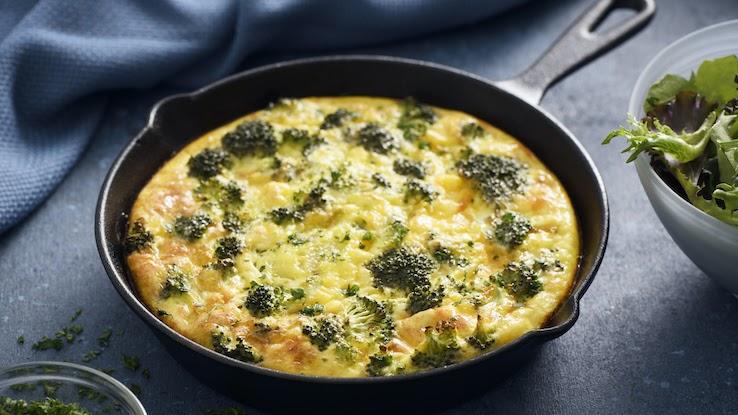
Starting the day with an array of healthy vegetables — plus the protein from eggs — on your plate is never a bad idea. That's why this crustless vegetable quiche is such a nice option: You get great flavors and all the nutritional benefits of whatever veggies you add. Plus, it's vegetarian friendly. Even if you're not fully vegetarian, there are some great reasons to try this quiche; forgoing meat once in a while and upping your consumption of fresh produce can improve your cholesterol levels, for one.

This recipe from Food.com calls for broccoli, red pepper and zucchini, though you can swap them out for other vegetables if you prefer. Mushrooms, asparagus and tomatoes are tasty options as well. All are great sources of different vitamins, minerals and fiber. Add the cheese of your choice and some salt and pepper or other spices for an easy way to change up the flavor profile.

Crustless Quiche Lorraine

 Photo Courtesy: [jaker5000/Getty Images]

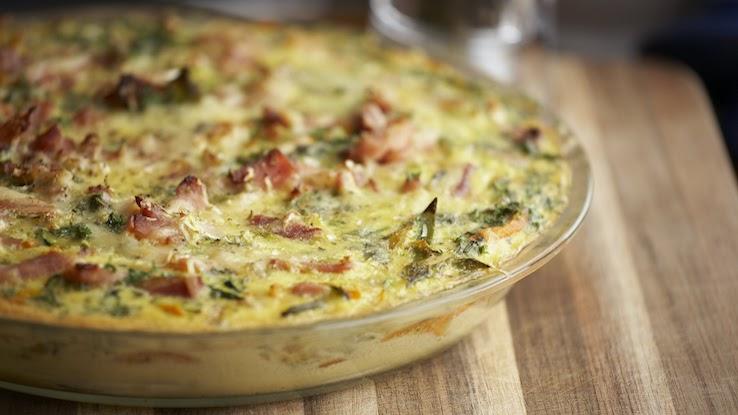
Quiche Lorraine might be one of the most classic (and best-known) recipes for this dish — and it's just as delicious without the crust. If you're looking for a keto-friendly breakfast dish that helps you reach your daily protein goals, this crustless quiche Lorraine, also from Food.com, is a top option.

Generally, people who follow the ketogenic diet get about 75% of their daily calories from fat, 20-30% from protein and around 5% from carbs. This recipe gets its fat and protein from the eggs, bacon and Swiss cheese you'll use. If you want to add a vegetable for extra flavor and nutrients, try spinach; it's relatively low in carbs but packed with healthy vitamins A and K.

Bacon Cheeseburger Keto Breakfast Quiche

 Photo Courtesy: [John Rizzo/Getty Images]

Looking for more crustless quiche options that work just as well for dinners as they do your morning meals? You'll want to try this bacon cheeseburger keto quiche from Kalyn's Kitchen. It satisfies keto fat and protein requirements thanks to its ground beef, bacon, eggs and the cheese of your choice (we recommend sharp cheddar). For a little bit of low-carb veggie crunch, add a handful of green onions and pickles into the mix too — yes, pickles in crustless quiche. They really do elevate this dish with their crunch and zesty tang.

Spicy Southwest Crustless Quiche

 Photo Courtesy: [yipengge/Getty Images]

For those on the keto diet who also like a little kick to their meals, this spicy Southwest crustless quiche from the folks at Wisconsin Cheese will definitely satisfy any flavor cravings. It's packed full of fat and protein thanks to its eggs, heavy whipping cream, milk and pork sausage. Add some jalapenos, green peppers and pepper jack cheese to crank up the spice level.

As with most of the quiche dishes in this list, you'll cook this in a greased pie dish at 350 degrees Fahrenheit until the edges are golden brown and the center of the quiche no longer looks runny or jiggly. It may take about 45 minutes to achieve the right cooked consistency, and you can also tell the quiche is done — as with many baked treats — when a knife inserted into the center comes out clean. Let the quiche stand for about 10 minutes to fully firm up before slicing into it.

Vegan Crustless Quiche

 Photo Courtesy: [Cavan Images/Getty Images]

This one is a bit of a surprise — a unique and flavorful surprise. You already know quiche is an egg dish, and eggs aren't vegan. So you might also be wondering how a vegan version could exist. In showcasing some true culinary creativity, this vegan crustless quiche from The Spruce Eats utilizes tofu, dairy-free crumbled cheese, soy or almond milk, nutritional yeast, ground cashews and dairy-free cream cheese.

The result is a smooth, authentic crustless quiche that's perfect for people who eat a plant-based diet or those who are allergic to eggs. In addition to its healthful egg-free base, it's got asparagus, garlic and turmeric to spice things up just right. You can always add or substitute your preference for other veggies as well; consider using what's in season to enjoy them at their peak of freshness.

Kale and Feta Crustless Quiche

 Photo Courtesy: [Kale and Feta Crustless Quiche/Eating Bird Food]

Eating Bird Food's kale and feta crustless quiche recipe is an easy yet flavorful low-carb meal that makes for not only a delicious breakfast but also an ideal main course for lunch or dinner. Simply pair a slice with a cup of soup or a salad to create a well-rounded meal. As an added bonus, this recipe is a little different from other basic crustless quiches, which can keep your taste buds on their toes while giving you a nutrient boost at the same time.

Aside from the kale, feta and eggs — its star ingredients — this recipe uses coconut oil, almond milk, mushrooms, garlic, nutmeg and parsley. And here's an interesting tidbit of information about kale: It's a superfood that's chock-full of vitamins and minerals — but that's also low in calories and carbs.

Resource Links:

https://nutritiondata.self.com/facts/vegetables-and-vegetable-products/2626/2

https://www.mayoclinichealthsystem.org/hometown-health/speaking-of-health/the-many-types-and-health-benefits-of-kale

MORE FROM SYMPTOMFIND.COM

Cheese And Low Carb Diet

Source: https://www.symptomfind.com/health/basic-crustless-quiche-recipes?utm_content=params%3Ao%3D740013%26ad%3DdirN%26qo%3DserpIndex

Share:

Abacaxi Dieta Low Carb

Abacaxi Dieta Low Carb

Cutting down on carbohydrates is an ongoing trend. Numerous dieting methods such as Atkins, Paleo, and Keto have gained popularity in recent years. The possible benefits of low-carbohydrate diets include weight loss, low blood pressure, improved cholesterol levels, and lower blood sugar levels with stabilized insulin production. Many people report feeling more energetic in general after reducing carbohydrates in their daily diets. It isn't necessary to follow a rigidly structured diet plan. Reducing carbohydrates in evening meals adds up over time. These ten recipes are great ideas for those new to low-carb dinners.

Salmon with Carmelized Vegetables

This mouth-watering one pan recipe is easy to make and clean up. Colorful vegetables such as carrots and peppers look good and contain lots of vitamins. Eggplant adds an extra pop of purple or red, and it is a good substitute for starchy potatoes.

Cut vegetables into halves or quarters then toss them in olive oil, salt, and pepper. Add herbs and a slice of lemon to the salmon, then arrange vegetables around the fish in a glass baking pan.

recipes low-carb

kajakiki / Getty Images

Bacon-Wrapped Chicken and Avocado Salsa

This delightful dish is full of contrasting flavors and takes only ten minutes to prepare. The immune-boosting properties of garlic and low-fat meat make this meal a perfect choice for a healthy dinner. Its speedy prep also makes it a popular weekday meal.

Spread roasted garlic paste over a pair of 4-ounce chicken breasts. You can wrap bacon slices around the chicken breasts for extra flavor and protein. The salsa is made of avocado, tomato, red and green onions, and white wine for a burst of colors and vitamins.

bacon low-carb

grandriver / Getty Images

Roasted Walnut and Cauliflower Tacos

This tasty taco filling is a treasure trove of vitamins, fiber, and protein. It is perfect for a vegan dinner. You can use this filling with cauliflower tortillas, traditional taco shells, or any wrap of your choice.

The filling includes:

  • 1 small head of chopped cauliflower
  • 1 cup chopped walnuts
  • 2 tablespoons olive oil
  • minced onion and garlic
  • 1 minced and seeded jalapeno
  • 1 quarter cup of tomato paste
  • 2 teaspoons chili powder
  • 1 teaspoon each of ground cumin and oregano
tacos low-carb

rudisill / Getty Images

Shrimp Asparagus Carbonara

This tasty skillet meal is a quick and great low-carb comfort food. Fettucine noodles are the traditional base for this recipe, but substituting either squash or zucchini noodles makes it low in carbohydrates and high in flavor. The carbonara sauce is a simple mixture of eggs, parmesan cheese, parsley, salt, and pepper. Try adding asparagus, shrimp, and mushrooms for complementary flavors.

carbonara low-carb

Spicy Shrimp and Kale With Creamy Rutabaga

This paleo dish is a great alternative to mashed potatoes or grits. The creamy rutabaga has a pleasant golden appearance and creamy texture. Rutabaga is very filling and satisfies any craving for starchy foods on a cold night. Marinade shrimp in olive oil, garlic, herbs, and spices. Add more vegetables for extra flavor or texture. Keep in mind that marinated chicken or tofu can be substituted for shrimp.

root veggies low-carb

Paul_Brighton / Getty Images

Seared Tuna Steak

Seared tuna steak contains very few carbohydrates and it is packed with protein. Tuna is also rich in omega-3 fatty acids. This dish is simple with only six minutes of cooking time. The marinade is a mixture of sesame oil and soy sauce. Let the tuna sit in the marinade for twenty minutes then transfer to a skillet. Cook the tuna on medium-heat for three minutes on each side.

protein low-carb

maribee / Getty Images

Huevos Rancheros

This spicy dish is complex and filling enough to be the main course at dinner. The base of black beans and eggs provides ample amounts of fiber and protein. Diced tomatoes, radishes, avocado, onion, and garlic contain a wide range of nutrients. Cayenne and cumin both contain capsaicin that has cardiovascular health benefits. Crumbled feta and cilantro pull the other flavors together for a meal to impress the whole family.

dinner low-carb

GMVozd / Getty Images

Green Roll-Ups

Green roll-ups are a fun and versatile way to cut carbohydrates. Collard green leaves are thick, sturdy, and large enough to wrap around filling as substitutes for tortillas or bread. They are also full of vitamin K, calcium, and iron. The filling can be any variation of hummus, egg, chicken, or tuna salad. Drizzle the flat leaves with olive oil and salt. Pile the filling on each leaf and top with avocado, cucumbers, tomatoes, pickles, and red onions. Roll the leaf as if it were a tortilla to capture and hold the filling and vegetables.

greens low-carb

fazeful / Getty Images

Flavorful Tofu

Tofu is packed with nutrients and protein, while its dense substance inhibits the urge to snack for hours after a meal. The key to preparing tofu is pairing it with strong flavors. A marinade of fresh mint, cilantro, chives, scallions, apple cider vinegar, and soy sauce provides a mix of distinct flavors. Cut the tofu into slices to marinate for an hour. Place the tofu in a baking pan, pour the remaining marinade over it and add a dollop of butter to each slice. This recipe can be altered easily to suit personal taste.

tofu low-carb

VeselovaElena / Getty Images

Kale Bowl with Lime Dressing

Kale adds a nice crisp texture to raw salads. This zesty lime dressing contains mayonnaise, grated lime, salt, garlic, pickled jalapenos, and cilantro. It has a tangy flavor and unique, pleasant aroma. This dish can be customized in many different ways. Sliced chicken, shredded cheese, toasted pumpkin seeds, avocado, and eggs turn this salad into a meal. Red or green onions, almost any variety of peppers, and radishes add more color and complimentary flavors.

kale low-carb

Candice Bell / Getty Images

Abacaxi Dieta Low Carb

Source: https://facty.com/network/how-to/how-to-make-low-carb-meals/

Share:

Gluten Free And Low Carb Diet Plan

Gluten Free And Low Carb Diet Plan

Gluten is a protein found in wheat, rye, and barley. Some people who choose to eat gluten-free often avoid eating overly processed breads, pasta, and other baked goods. This can lead to weight loss and overall health improvements, as people avoid highly processed, unhealthful foods.

For some other people, however, eating gluten-free is a necessity. In these cases, a person likely has celiac disease or gluten sensitivity. Similar to other food-related allergies and illnesses, a person who cannot process gluten properly may become ill after eating it.

It is possible for people eating gluten-free to have healthful diets. A person should focus their gluten-free diet much like any other diet so that it includes:

  • lean proteins
  • vegetables
  • fruits
  • whole grains, such as brown rice and quinoa
  • beans, peas, and lentils
  • healthful fats

Read on to discover some of the best gluten-free foods to fit into several dietary options.

Gluten-free pancakes for different diets topped with blueberries and nuts Share on Pinterest
A person can use gluten-free flour to make baked goods, including pancakes.

There are many potential gluten-free options for different diets.

People can choose foods that fit into the dietary plan they follow. Below are some suggestions for various diet options.

Some gluten-free foods that fit into many diets include:

  • any whole, fresh vegetable
  • any whole, fresh fruit
  • lean proteins, such as beans and eggs
  • gluten-free baked goods, including pancakes, waffles, and bread

Below are some healthful choices of foods to eat that center on different dietary preferences

Vegetarian diets focus on replacing meat with plant-based proteins. Often, vegetarian diets may include either egg, dairy, or both. Both are excellent protein choices.

For those who wish to avoid all animal products, there are several nutrient-rich foods they can eat that do not contain gluten including:

Chickpeas

Chickpeas are a nutrient-rich food. According to a 2016 study, 4 tablespoons of traditional chickpea hummus each day provides about 25 grams (g) of fiber and about 14 g of plant protein per week.

Sweet potato

People often call sweet potatoes a superfood. A superfood provides a high proportion of nutrients for the number of calories they contain.

Sweet potatoes include a good amount of:

  • dietary fiber, if eating the skin
  • potassium
  • vitamins
  • calcium
  • magnesium

Whole oats

Whole oats offer a variety of nutrients and potential health benefits.

People can eat them as a cereal, use them as flour in baking recipes, or even as skin ointments. Doctors consider oats safe for people with celiac disease if the oats have a certification that they are gluten-free.

As a result, there is an increasing number of baked goods that contain only oat flour.

According to a 2015 study, some of the potential benefits of oats include:

  • moderate to high amounts of dietary fiber
  • potential anticancerous properties
  • reduces blood cholesterol
  • high-protein value important for vegetarians

Gluten-free foods a person on a low-carb diet may eat include:

Spinach

Share on Pinterest
Spinach is rich in nutrients, such as iron and folic acid.

Spinach is a dark green, leafy vegetable. For people on a low-carbohydrate diet, spinach offers high fiber and protein intake.

Spinach is also a good source of:

  • numerous vitamins
  • folic acid
  • iron
  • calcium

According to a 2015 study, people eating a diet that includes spinach could also lower their blood pressure. This is primarily due to the nitrates in spinach that help to relax blood vessels.

All other raw and fresh vegetables are low carb as well as gluten-free. So people can enjoy vegetables, for example, other dark-green leafy greens, asparagus, cauliflower, broccoli, green beans, squash, tomatoes, carrots, and many others.

Poultry

Poultry describes several low-fat, high-protein meats, including chicken and turkey. Adding these to a low-carb diet can provide several nutrients.

According to a 2015 study, some of the benefits of consuming poultry include:

  • high protein content
  • several vitamins and minerals
  • aid to weight control due to supporting fullness

Other raw or unprocessed proteins, including eggs, fish, shrimp, and red meat also contain no gluten.

Olive oil

Olive oil is typically a healthful fat to consume. Its benefits include:

  • no association with weight gain
  • cardiovascular health
  • stroke prevention
  • anti-inflammatory properties
  • contains antioxidants
  • monounsaturated fats
  • may help reduce the risk of type 2 diabetes

People can use olive oil as a substitute for butter and margarine in many recipes. Other gluten-free whole fats include avocado, nuts, coconuts, and seeds.

Share on Pinterest
Quinoa is a gluten-free source of carbohydrates.

The current nutritional guidelines outline the foods a person should eat for optimal health. The recommendations include:

  • a variety of vegetables, including beans and spinach
  • whole or minimally processed fruits
  • low-fat or no-fat dairy products
  • protein sources that include poultry, beans, and seafood
  • oils

The recommendations do not include baked goods or pasta. Instead, people obtain their carbohydrate intake from vegetables, fruits, and other natural sources.

For people interested in following these guidelines, there are some foods a person can eat that do not contain gluten, including:

  • quinoa
  • canned sardines and tuna
  • applesauce

Major foods that contain gluten include:

  • white or wholewheat bread
  • white or wholewheat pastas
  • muffins, doughnuts, and other pastries
  • breaded meats, such as chicken wings or cutlets
  • crackers
  • many cereals
  • desserts

There are other foods containing gluten that are not as obvious. Some foods to avoid that may contain gluten include:

  • potato chips
  • french fries
  • malt
  • sauces and gravies
  • beer
  • some candies
  • soy sauce
  • meat substitutes
  • lunch meats
  • soup, particularly cream-based ones
  • preseasoned meats
  • scrambled eggs at restaurants where pancake batter may be an additional ingredient

Though gluten-free diets may help a person eat healthier foods overall, not all gluten-free options are healthful. In fact, a review in the journal Gastroenterology and Hepatology describes some potential drawbacks of eating gluten-free that include:

  • Gluten-free foods are sometimes not enriched in comparison to their gluten-containing counterparts so may lack nutrients.
  • People eating gluten-free often eat more lipids, trans fat, protein, and salt
  • Gluten-free diets tend to be more expensive.
  • Packaged gluten-free foods may be lower in fiber.

Gluten-free food is easy to find when avoiding processed and premade foods. Someone who is willing to pay a bit extra can also get many foods, such as bread and pasta, in gluten-free varieties.

Gluten Free And Low Carb Diet Plan

Source: https://www.medicalnewstoday.com/articles/324494

Share:

Can You Drink Vodka On Low Carb Diet

Can You Drink Vodka On Low Carb Diet

Photo Courtesy: [Phil Fisk/Cultura/Getty Images]

Carbs may be delicious, but, depending on your health status and any conditions you may have, they may not be the most nourishing (or healthy) macronutrients for you to eat. However, that doesn't mean you can't enjoy your favorite typically higher-carb foods — it just means you need a bit of creativity and a few tips and tricks for making modifications. That's especially true when it comes to a classic breakfast favorite: quiche.

Traditional quiche begins with a pie crust as its base, which isn't ideal if you're limiting carbs. But, by removing the crust — or using some delicious, low-carb substitutes — you can still enjoy the delicate egg and zesty ingredient combinations that make this dish so versatile. Start diversifying your low-carb breakfast menu (or even your evening meals) with these easy crustless quiche recipes.

Crustless Vegetable Quiche

Photo Courtesy: [EasyBuy4u/Getty Images]

Starting the day with an array of healthy vegetables — plus the protein from eggs — on your plate is never a bad idea. That's why this crustless vegetable quiche is such a nice option: You get great flavors and all the nutritional benefits of whatever veggies you add. Plus, it's vegetarian friendly. Even if you're not fully vegetarian, there are some great reasons to try this quiche; forgoing meat once in a while and upping your consumption of fresh produce can improve your cholesterol levels, for one.

This recipe from Food.com calls for broccoli, red pepper and zucchini, though you can swap them out for other vegetables if you prefer. Mushrooms, asparagus and tomatoes are tasty options as well. All are great sources of different vitamins, minerals and fiber. Add the cheese of your choice and some salt and pepper or other spices for an easy way to change up the flavor profile.

Crustless Quiche Lorraine

 Photo Courtesy: [jaker5000/Getty Images]

Quiche Lorraine might be one of the most classic (and best-known) recipes for this dish — and it's just as delicious without the crust. If you're looking for a keto-friendly breakfast dish that helps you reach your daily protein goals, this crustless quiche Lorraine, also from Food.com, is a top option.

Generally, people who follow the ketogenic diet get about 75% of their daily calories from fat, 20-30% from protein and around 5% from carbs. This recipe gets its fat and protein from the eggs, bacon and Swiss cheese you'll use. If you want to add a vegetable for extra flavor and nutrients, try spinach; it's relatively low in carbs but packed with healthy vitamins A and K.

Bacon Cheeseburger Keto Breakfast Quiche

 Photo Courtesy: [John Rizzo/Getty Images]

Looking for more crustless quiche options that work just as well for dinners as they do your morning meals? You'll want to try this bacon cheeseburger keto quiche from Kalyn's Kitchen. It satisfies keto fat and protein requirements thanks to its ground beef, bacon, eggs and the cheese of your choice (we recommend sharp cheddar). For a little bit of low-carb veggie crunch, add a handful of green onions and pickles into the mix too — yes, pickles in crustless quiche. They really do elevate this dish with their crunch and zesty tang.

Spicy Southwest Crustless Quiche

 Photo Courtesy: [yipengge/Getty Images]

For those on the keto diet who also like a little kick to their meals, this spicy Southwest crustless quiche from the folks at Wisconsin Cheese will definitely satisfy any flavor cravings. It's packed full of fat and protein thanks to its eggs, heavy whipping cream, milk and pork sausage. Add some jalapenos, green peppers and pepper jack cheese to crank up the spice level.

As with most of the quiche dishes in this list, you'll cook this in a greased pie dish at 350 degrees Fahrenheit until the edges are golden brown and the center of the quiche no longer looks runny or jiggly. It may take about 45 minutes to achieve the right cooked consistency, and you can also tell the quiche is done — as with many baked treats — when a knife inserted into the center comes out clean. Let the quiche stand for about 10 minutes to fully firm up before slicing into it.

Vegan Crustless Quiche

 Photo Courtesy: [Cavan Images/Getty Images]

This one is a bit of a surprise — a unique and flavorful surprise. You already know quiche is an egg dish, and eggs aren't vegan. So you might also be wondering how a vegan version could exist. In showcasing some true culinary creativity, this vegan crustless quiche from The Spruce Eats utilizes tofu, dairy-free crumbled cheese, soy or almond milk, nutritional yeast, ground cashews and dairy-free cream cheese.

The result is a smooth, authentic crustless quiche that's perfect for people who eat a plant-based diet or those who are allergic to eggs. In addition to its healthful egg-free base, it's got asparagus, garlic and turmeric to spice things up just right. You can always add or substitute your preference for other veggies as well; consider using what's in season to enjoy them at their peak of freshness.

Kale and Feta Crustless Quiche

 Photo Courtesy: [Kale and Feta Crustless Quiche/Eating Bird Food]

Eating Bird Food's kale and feta crustless quiche recipe is an easy yet flavorful low-carb meal that makes for not only a delicious breakfast but also an ideal main course for lunch or dinner. Simply pair a slice with a cup of soup or a salad to create a well-rounded meal. As an added bonus, this recipe is a little different from other basic crustless quiches, which can keep your taste buds on their toes while giving you a nutrient boost at the same time.

Aside from the kale, feta and eggs — its star ingredients — this recipe uses coconut oil, almond milk, mushrooms, garlic, nutmeg and parsley. And here's an interesting tidbit of information about kale: It's a superfood that's chock-full of vitamins and minerals — but that's also low in calories and carbs.

Resource Links:

https://nutritiondata.self.com/facts/vegetables-and-vegetable-products/2626/2

https://www.mayoclinichealthsystem.org/hometown-health/speaking-of-health/the-many-types-and-health-benefits-of-kale

MORE FROM SYMPTOMFIND.COM

Can You Drink Vodka On Low Carb Diet

Source: https://www.symptomfind.com/health/basic-crustless-quiche-recipes?utm_content=params%3Ao%3D740013%26ad%3DdirN%26qo%3DserpIndex

Share:
 
banner